
 By Siam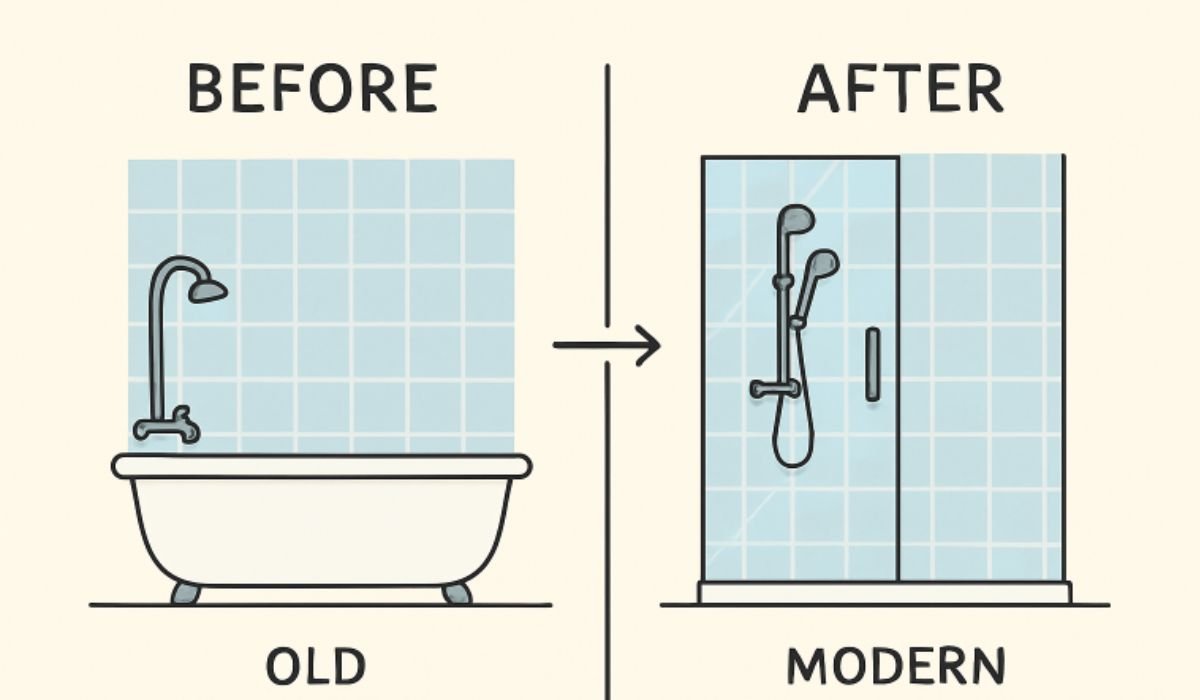
Table of Contents
- Planning and Design
- Budgeting and Cost Considerations
- Obtaining Necessary Permits
- Demolition and Removal of the Existing Bathtub
- Plumbing Adjustments
- Installation of the Shower Base and Walls
- Finishing Touches
- Final Inspection and Maintenance
Whether you want to create a more accessible space or simply prefer the fresh, open look of a new shower, converting an old bathtub to a walk-in shower is a project that can revitalize your entire bathroom. With the right planning and approach, you can enjoy a contemporary shower that is both elegant and practical. If you’re considering a bathtub replacement for shower, this in-depth guide will help ensure a smooth and successful transition.
Beyond enhancing your home’s value and appeal, updating your bathroom this way can also make daily routines more convenient and enjoyable. Explore the essential steps from conception through completion – including design, budgeting, demolition, plumbing, and finishing details – for a renovation process that saves you time and headaches while yielding stunning results.
Planning and Design
Start your bathroom remodel by evaluating your space and defining your ideal shower vision. Determine the available dimensions and placement, choose a style that matches the rest of your home, and weigh the pros and cons of features such as frameless glass doors, built-in benches, shelving, and storage niches. A clear plan will prevent costly errors and help guide material and labor decisions. According to The Spruce, homeowners looking to replace a bathtub with a shower should carefully consider layout, drainage, and space optimization to ensure a smooth conversion.
Consider consulting a professional bathroom designer, especially if your space has unusual dimensions or underlying structural issues. A design expert can optimize your layout, recommend space-saving solutions, and even provide realistic renderings to visualize your finished project.
Budgeting and Cost Considerations
Once your design is set, define your project’s scope and develop a comprehensive budget. On average, a tub-to-shower conversion costs $3,500 to $7,500, depending on materials, labor, and customization. Labor rates, plumbing changes, tile selection, and fixtures will influence your total. According to U.S. News, there are several budget-friendly strategies homeowners can use to refresh a bathroom without breaking the bank, from smart fixture choices to cost-effective materials. It’s wise to set aside a contingency fund – generally 10–15% of your budget – to cover unexpected discoveries, such as water damage behind old tiles or hidden mold in the subfloor. Investing in quality fixtures and waterproofing materials may increase upfront costs, but it will help prevent expensive repairs down the line.
Obtaining Necessary Permits
Check with your local building department to see if your project requires a permit, especially if you plan significant plumbing changes or structural work. Permit fees can vary from $200 to over $2,000. Proper permitting not only avoids fines but also ensures safety inspections and code compliance. This is particularly important if you ever plan to sell your home, as unpermitted work can complicate real estate transactions.
Demolition and Removal of the Existing Bathtub
Demolition is a critical step that prepares your space for its new function. Begin by turning off the water supply, then remove faucet fixtures, drains, and any shower doors or curtains. Use care when removing surrounding tile and drywall to avoid damaging the underlying framing. Large cast-iron or steel bathtubs may have to be cut into sections for easier removal.
Carefully inspect the exposed area for any signs of leaks, rot, or mold and make repairs as necessary before proceeding. Discovering water damage behind your old bathtub is common, so don’t skip this evaluation.
Plumbing Adjustments
Once the demo is complete, your plumber will relocate and adjust the pipes as needed. This typically involves repositioning both the drain and the supply lines to fit your new shower configuration. The drain for a shower is often in a different location than for a tub, and pipe heights may need to be adjusted for a wall-mounted showerhead. Professional installation ensures everything meets local codes and helps protect your home from future leaks or drainage problems.
Installation of the Shower Base and Walls
Once plumbing work is done, install the shower pan (base). Options include one-piece acrylic or fiberglass units or fully custom tiled bases for a luxury look. Regardless of your choice, make sure the base is level and securely installed to prevent water leaks. Next, build the shower walls using waterproof backer board, then add your finish material – whether that’s tile, acrylic, or composite panels. Apply sealant generously to all seams, corners, and fixtures for reliable moisture protection.
Finishing Touches
Complete your bathroom transformation by updating fixtures and accessories. Fit a new showerhead, controls, door or curtain, and any additional features you want, such as grab bars, towel hooks, or a built-in seat. Seal all joints where water might penetrate behind panels or tiles with caulk. Allow adhesives and sealants to cure completely according to the manufacturer’s instructions before using the shower. Finally, check all plumbing connections for leaks and ensure water flows properly. Add finishing touches, like decorative accents or coordinated storage solutions, to enhance both the functionality and style of your updated shower.
Final Inspection and Maintenance
Before you use your new shower, inspect all work for leaks, test water pressure, and make sure fixtures are securely mounted. Plan a maintenance routine to prolong the life and look of your investment. Clean grout lines and corners regularly, and check the condition of seals every few months to keep your bathroom fresh and watertight. Replacing a bathtub with a modern shower makes your bathroom more attractive, functional, and easier to use. With careful planning, expert advice, and attention to detail at each step, you’ll enjoy a beautiful new space that adds long-term value to your home.
YOU MAY ALSO LIKE: Innovative Design Strategies for Small Bathrooms