
 By Siam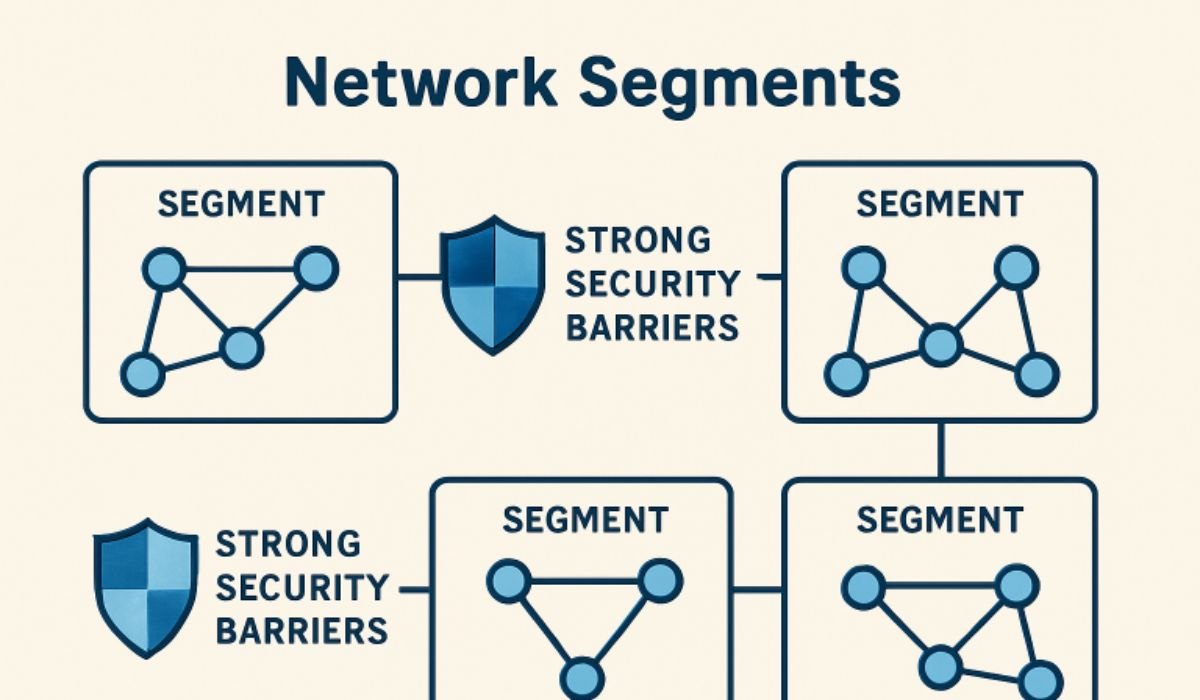
Key Takeaways
- Zero Trust Security is becoming essential in modern network protection strategies.
- Recent advancements integrate AI and microsegmentation to enhance Zero Trust implementations.
- Organizations are adopting Zero Trust to effectively mitigate sophisticated cyber threats.
Introduction
The digital landscape is in constant flux, with cyber threats advancing at a relentless pace. Traditional perimeter-based security models, once considered sufficient, are increasingly falling short in mitigating today’s sophisticated attacks. As a result, organizations are turning to modern frameworks like Zero Trust Security to keep their environments secure. In this context, innovative solutions such as the SASE cloud have emerged, seamlessly blending connectivity and robust, always-on security for distributed workforces. Zero Trust represents a radical shift: instead of assuming that anything within a corporate network can be trusted, it assumes that no one, inside or outside, should be granted access until their identity and legitimacy are continuously verified. This “never trust, always verify” mindset is at the heart of a new era in network protection.
The Rise of Zero Trust Security
Zero Trust has moved from theory to necessity as attackers exploit vulnerabilities regardless of network boundaries. Traditional models often relied on a hardened perimeter, but with the rise of remote work, bring-your-own-device (BYOD) policies, and widespread cloud adoption, this approach no longer suffices. Zero Trust Security requires granular validation for every access request, significantly reducing the attack surface and limiting cybercriminals’ ability to move laterally within the network. By enforcing strict access controls and real-time user authentication, Zero Trust minimizes the risk posed by compromised credentials or insider threats—two of the leading causes of recent high-profile breaches.
Recent Advances: AI and Microsegmentation Enhance Zero Trust
Artificial Intelligence (AI) and automation have become essential enablers for Zero Trust frameworks. AI-powered tools analyze network behavior in real time, detect anomalies, and trigger adaptive responses. Leading network providers such as Cisco have integrated Zero Trust and observability directly into their infrastructure, delivering next-generation protection for cloud workloads and distributed applications. These deep integrations ensure that AI workloads—which are increasingly attractive targets for attackers—remain shielded from threats. Microsegmentation is another linchpin of the Zero Trust model. By dividing the network into smaller, isolated segments, organizations can ensure that even if attackers breach one area, they cannot pivot unchecked to other critical assets. Innovations, such as the integration between next-generation firewalls and leading microsegmentation platforms, provide comprehensive, context-aware defense mechanisms. The increasing adoption of tailored microsegmentation strategies across regulated industries also underscores this trend.
Adoption Across Key Industries
Industries ranging from healthcare and finance to government are turning to Zero Trust as regulations demand stronger protection for sensitive data. For example, NETSCOUT has developed tailored solutions to help federal agencies align with the National Institute of Standards and Technology (NIST) guidelines. By embracing Zero Trust architectures, these agencies can better defend against the surge of targeted cyberattacks on public infrastructure. Further, the healthcare and financial sectors have implemented Zero Trust to safeguard patient and customer records, ensuring compliance and trust in a volatile threat landscape.
READ ALSO: Cyber Resilience Strategies for Healthcare Organizations in a Digital Age
Implementation Challenges
While Zero Trust delivers significant security enhancements, the path to implementation is complex. Organizations face hurdles such as integrating Zero Trust with legacy systems, aligning disparate security controls, and maintaining an optimal user experience. Balancing robust authentication requirements with seamless business processes is a critical challenge. Additionally, there’s a growing need for specialized expertise to ensure regulatory compliance and to customize policies for unique operational workflows. A phased approach, beginning with critical assets and high-risk user groups, can help organizations achieve early wins while developing a comprehensive Zero Trust strategy. Engaging all stakeholders and investing in thorough training programs are essential steps toward overcoming these roadblocks.
The Future of Network Protection
As adversaries harness automation, AI, and new tactics to bypass defenses, organizations must be proactive in evolving their security postures. The future of network protection unequivocally points toward the holistic adoption of Zero Trust, enabled by advancements in AI, microsegmentation, and adaptive authentication. These measures not only raise the barrier for attackers but also future-proof the digital enterprise against waves of emerging threats.
Recent investments in research and standards development from both technology firms and government bodies are accelerating broader Zero Trust adoption, signaling a new baseline for cybersecurity in the interconnected era. Staying abreast of best practices and leveraging reputable frameworks, such as those established by NIST, will be imperative for leaders tasked with safeguarding digital assets.
Conclusion
Zero Trust Security is more than a technical solution, as it’s a strategic imperative. By embedding continuous verification and denying implicit trust, organizations can protect themselves from the rapidly evolving threat landscape. Initiatives that leverage AI and microsegmentation are already proving effective, and as more sectors adopt these measures, the future of network protection will be defined by adaptable, intelligence-driven frameworks. Organizations that proactively embrace Zero Trust will be best positioned to defend their assets and data well into the future.
YOU MAY ALSO LIKE: Balancing Web Safety and Productivity: The Invisible Defender