
 By Siam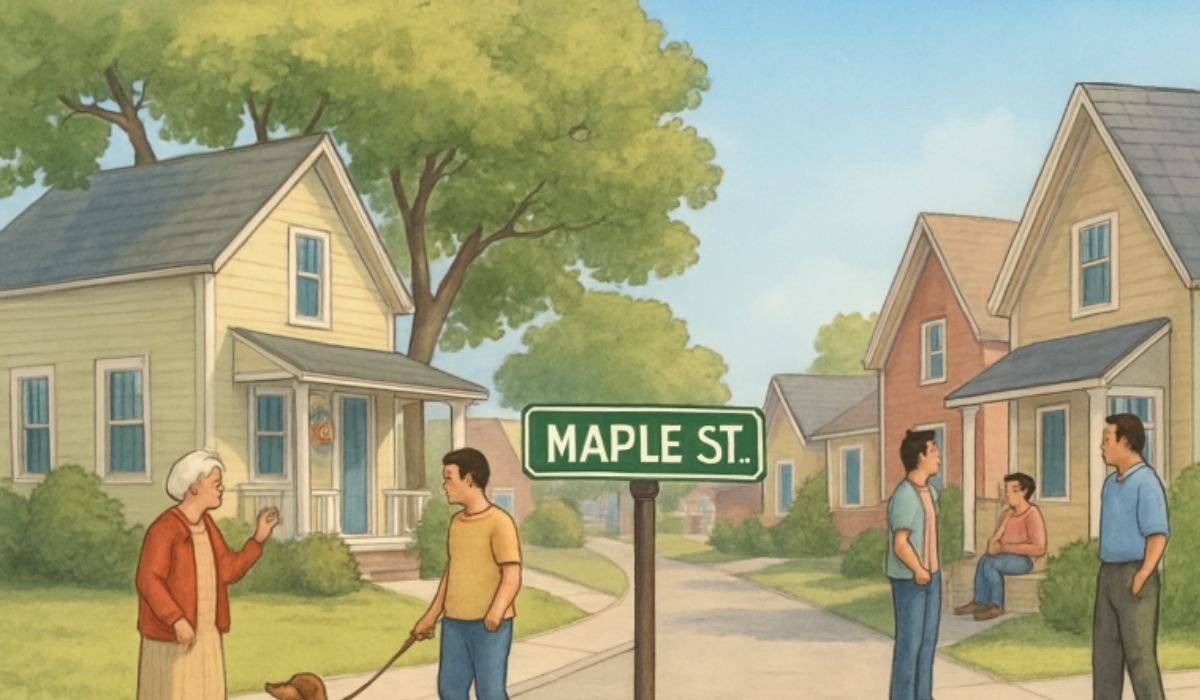
Relocating to a smaller city is an increasingly popular decision for individuals and families searching for a better quality of life, affordability, and a closer-knit community. Smaller cities, such as Ocala, Florida, offer residents unique advantages that are often hard to find in larger metropolitan areas. Whether your motivation is financial, personal well-being, or lifestyle changes, this comprehensive guide explores what you stand to gain by making the move. For those considering a move to Florida, exploring Ocala, FL homes for sale is a great starting point, as the area boasts many of the benefits discussed below.
Many find their well-being improves after leaving a large city for smaller communities, which offer less stress, easier commutes, stronger connections, outdoor recreation, lower crime, and more meaningful opportunities. Weigh positives and limitations before deciding. This article explores these factors to help determine if a move is right for you, impacting happiness, security, and finances.
Lower Cost of Living
One of the primary draws of relocating to a smaller city is the significantly lower cost of living. Housing prices, in particular, are often more affordable, and residents typically spend less on utilities, groceries, and entertainment. For young families, retirees, or anyone seeking to reduce day-to-day expenses, this can be a game-changer. According to Forbes, many of the best small cities in America strike a balance between affordability and amenities, offering an ideal combination.
Reduced Traffic and Noise
Daily commutes in large urban environments can be draining due to traffic congestion, long travel times, and constant noise. In contrast, smaller cities usually offer shorter commute times, minimal traffic, and a more peaceful atmosphere. This leads to less stress during the workweek and greater overall satisfaction with your environment. Studies highlighted by Forbes suggest that reduced congestion and noise contribute to a higher quality of life and better mental health outcomes.
Closer Proximity to Nature
In smaller communities, residents often enjoy easier access to parks, trails, forests, and other natural settings. This natural proximity encourages an active lifestyle, reduces pollution-related health risks, and can foster a greater appreciation for the outdoors. Engaging in activities such as hiking, biking, or fishing becomes part of everyday life, contributing to both physical and emotional well-being.
Enhanced Community Feel
A prominent feature of small-town living is the opportunity to build deeper, more meaningful relationships with neighbors. Familiarity and mutual support are more common, helping newcomers feel welcome and supported. This strong sense of community is often credited for helping individuals and families feel more connected, engaged, and valued, particularly compared to the anonymity that can come with big-city life.
Lower Crime Rates
Small towns in the U.S. consistently report lower crime rates than their larger counterparts. Residents in these areas often feel safer, which allows families to have greater peace of mind and fosters a greater sense of freedom for children. According to Forbes, small cities can be almost twice as safe, and local governments spend significantly less per capita on crime-related expenses, further supporting a secure environment.
Limited Educational Opportunities
While there are many advantages to small-town living, educational opportunities can be limited. Smaller cities may have fewer public or private schools, as well as less access to extracurricular activities or specialized programs. For families with school-age children, it may be necessary to travel further for certain educational services, or even seek options outside the immediate area for advanced learning opportunities.
Job Market Considerations
The job market in smaller cities can be less diverse, especially in specialized technical or creative fields. Local economies may rely on a handful of key industries, which can limit opportunities for career advancement or flexibility. However, the rise of remote work has begun to counterbalance this, enabling more people to live where they choose while maintaining access to their desired professional field. For those whose jobs are location-based, thorough research is essential before making a move.
Healthcare Access
An essential factor to weigh when relocating is access to healthcare. While small towns often meet residents’ basic needs with clinics and general practitioners, they may lack major hospitals or specialty care providers. For individuals with chronic illnesses or complex health requirements, it’s crucial to investigate available resources ahead of time and ensure there are pathways to the necessary medical support or alternatives within a reasonable distance. Reliable healthcare options should be factored into your decision alongside other quality-of-life considerations.
Final Takeaway
Relocating to a smaller city comes with a thoughtful mix of benefits and considerations. While lower living costs, a peaceful environment, and a strong sense of community create an appealing lifestyle, it’s equally important to weigh factors such as job availability, education, and access to healthcare. By understanding both the advantages and the limitations, you can make a well-rounded decision that aligns with your priorities, supports your long-term goals, and enhances your overall quality of life.
YOU MAY ALSO LIKE: travelsfornow.com: Your Guide to Last-Minute & Local Trips