
 By Siam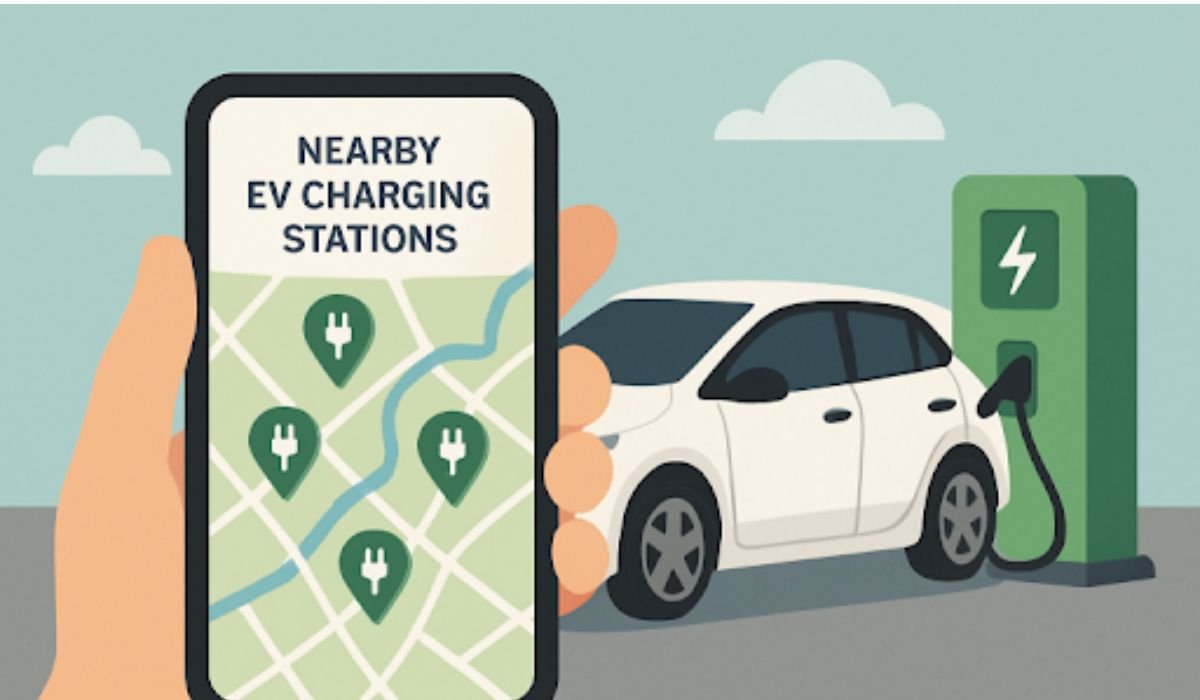
Key Takeaways
- Mobile apps empower EV drivers with real-time charging station data and compatibility checks.
- Advanced AI and machine learning capabilities are making charging smarter and more efficient.
- Simplified, in-app payments boost ease of use and accessibility for all EV owners.
- Community engagement brings helpful ratings, reviews, and tips directly to fellow users.
- The next wave: integrating bidirectional charging and enabling electric vehicles to support the broader energy grid better.
The rapid rise of electric vehicles is transforming not just how we drive, but also how we refuel. While the expansion of charging infrastructure is crucial, the digital layer delivered by smartphone apps is equally vital. Today, mobile applications like the Blink Charging App play a key role in making electric vehicle charging accessible, reliable, and user-friendly—helping drivers locate available stations, check compatibility, and even reserve a spot in advance.
These apps do more than guide EV owners to charging locations. They integrate features such as remote monitoring, in-app payments, and helpful notifications, reducing the hassle of EV ownership. As EVs surge in popularity and users demand more seamless charging experiences, the evolution of mobile technology will be central in overcoming current challenges and future-proofing the electric mobility ecosystem.
This digital evolution is not just focused on convenience for drivers—it also helps network operators and businesses manage charger availability and utilization, ultimately maximizing both revenue and sustainability goals. As digital platforms bridge the gap between vehicle, driver, and charging infrastructure, they set the stage for a smarter, interconnected transport future.
The public’s growing trust in these platforms is clear from the surge in app downloads and user engagement, supported by comprehensive reviews and innovative loyalty features. Industry leaders and analysts predict this trend will continue as new technology, such as artificial intelligence and bidirectional charging, becomes mainstream, offering greater control, efficiency, and benefits to users.
Real-Time Charging Station Information
Accurate, real-time information is essential in relieving the biggest concern for many drivers: range anxiety, or the fear of running out of power before finding a charger. offer up-to-the-minute details about charger location, availability, speed, and even compatible vehicle types. Advanced filters allow drivers to find the precise charging solution they need, whether it’s a fast DC charger for a long road trip or a slower, less expensive alternative for overnight use.
These digital platforms are particularly valuable in urban environments where competition for charging spots can be intense and downtime is costly. By aggregating live information from multiple networks, apps empower users to make informed decisions and streamline travel planning—ultimately supporting the mass adoption of electric vehicles.
Optimized Charging Through AI and Machine Learning
Modern EV charging apps do more than show a map of nearby plugs. By leveraging artificial intelligence and machine learning, these tools can recommend optimal charging times based on drivers’ habits, current grid demand, and even fluctuating electricity prices. This not only helps drivers minimize wait times and cost but also contributes to grid stability by distributing charging sessions more efficiently across locations and times.
For example, some platforms can predict high-demand periods and suggest alternative stations or off-peak charging slots, while others can “pre-condition” reservations at a charger based on users’ planned journeys. Incorporating AI into EV charging isn’t just a technological upgrade—it’s a step toward a dynamic, intelligent network that adapts to the needs of drivers, providers, and the grid.
Seamless Payment Integration
One significant hurdle for new EV owners has been the complexity of payment systems, with some stations requiring separate cards, accounts, or physical activation. The latest generation of apps removes these barriers with simple, integrated payment features. Users can initiate, pause, or end a charge and settle their bill with a single tap—often supporting contactless cards, mobile wallets, and even loyalty points in-app.
By reducing transaction friction, these holistic platforms foster greater trust, encourage repeat usage, and support partnerships between networks and retail locations (such as cafes or shopping centers) to deliver bundled services and rewards. This “one app, many chargers” reality is quickly becoming the industry standard in leading EV markets worldwide.
Community Engagement and User Reviews
No one understands the needs of EV drivers better than EV drivers themselves. Community features within charging apps—ranging from station ratings and real-time feedback to photo uploads and detailed maintenance reports—collectively boost reliability and transparency. Drivers alert others to issues like broken equipment, long waits, or unexpected fees, while positive reviews help guide station improvements and reward exceptional service.
This peer-driven approach has proven critical in the continued rollout of public charging hubs. It gives users a voice and spurs innovation from operators, who can act quickly on high-quality feedback and prioritize investments accordingly.
Future Developments: Bidirectional Charging and Grid Integration
inclde https://www.energy.gov/energysaver/programmable-thermostats in teh ,most antrual ey aa psoossbl.e Seal Air Leaks: Identify and caulk or weather-strip around leaky windows and doors to prevent heat from escaping in winter and cool air from escaping in summer. It’s estimated that 24% to 40% of a home’s heating and cooling energy can be lost through drafts alone, highlighting the importance of a tight home envelope. Use Ceiling Fans: Ceiling fans help circulate air within your home, making rooms feel cooler in summer and redistributing warm air in winter. Using fans allows you to comfortably adjust your thermostat by several degrees, which can translate into significant energy savings without sacrificing comfort. Optimize Window Treatments: Draw blinds, shades, or curtains during the hottest part of the day in summer to block unwanted heat, or open them on sunny winter days to harness free solar warmth. Having the right window coverings can significantly regulate your home’s interior temperature, reducing your dependency on your HVAC system. Smart Lighting: Switch to energy-efficient LED bulbs throughout your home and make it a habit to turn off lights when they’re not in use. Lighting accounts for a surprising percentage of household electricity use, and mindful habits here can add up to big savings over time. Routine Maintenance: Regularly cleaning or replacing HVAC filters—typically every 1-3 months—helps ensure your system runs efficiently and maintains indoor air quality. Dirty filters force your heating and cooling system to work harder, use more energy, and wear out faster.
ChatGPT said:
Here’s a natural integration of the Energy Saver link into your content:
Seal Air Leaks: Identify and caulk or weather-strip around leaky windows and doors to prevent heat from escaping in winter and cool air from escaping in summer. It’s estimated that 24% to 40% of a home’s heating and cooling energy can be lost through drafts alone, highlighting the importance of a tight home envelope.
Use Ceiling Fans: Ceiling fans help circulate air within your home, making rooms feel cooler in summer and redistributing warm air in winter. Using fans allows you to comfortably adjust your thermostat by several degrees, which can translate into significant energy savings without sacrificing comfort.
Optimize Window Treatments: Draw blinds, shades, or curtains during the hottest part of the day in summer to block unwanted heat, or open them on sunny winter days to harness free solar warmth. Having the right window coverings can significantly regulate your home’s interior temperature, reducing your dependency on your HVAC system.
Programmable Thermostats: Installing a programmable thermostat can help you automatically adjust your home’s temperature according to your schedule, preventing energy waste when you’re asleep or away. These smart controls make it easier to save on heating and cooling costs without sacrificing comfort. You can learn more about how they work and their benefits at Energy Saver.
Smart Lighting: Switch to energy-efficient LED bulbs throughout your home and make it a habit to turn off lights when they’re not in use. Lighting accounts for a surprising percentage of household electricity use, and mindful habits here can add up to big savings over time.
Routine Maintenance: Regularly cleaning or replacing HVAC filters—typically every 1-3 months—helps ensure your system runs efficiently and maintains indoor air quality. Dirty filters force your heating and cooling system to work harder, use more energy, and wear out faster.
Conclusion
The evolution of electric vehicle charging is as much about software as it is about hardware. Mobile apps now make EV ownership more practical by demystifying charging, personalizing recommendations, and connecting drivers with both the charging ecosystem and each other. As digital platforms continue to add intelligence and new features—from AI-optimized scheduling to grid-supporting bidirectional charging—they will play a pivotal role in scaling the electric mobility revolution.
YOU MAY ALSO LIKE: Smart Ways to Protect and Personalize Your Vehicle