
 By John Arthur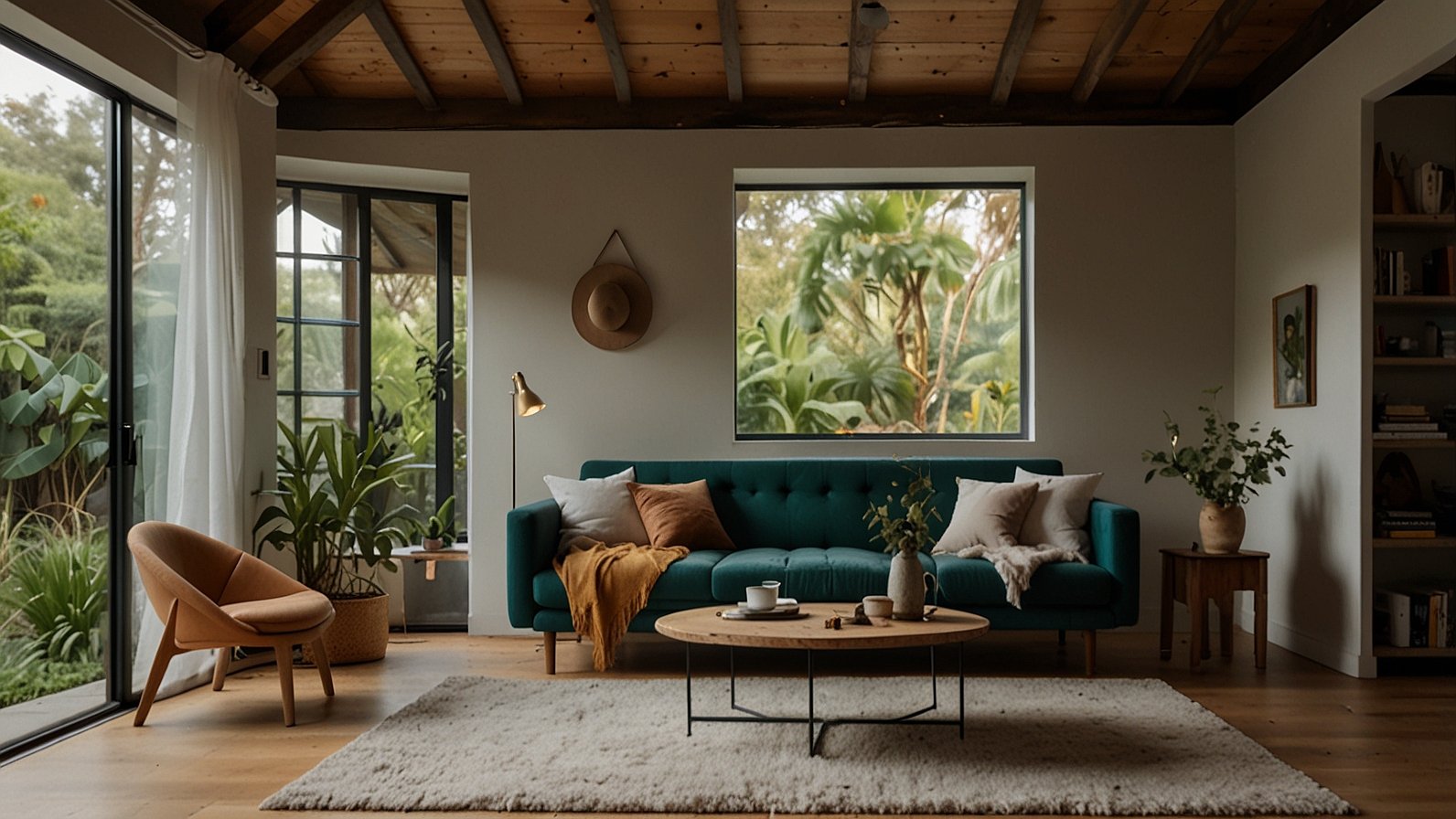
Ever feel like your home is just a collection of smart devices that don’t really talk to each other, or that your pursuit of wellness stops at the yoga mat? What if your living space could actively nurture your well-being, seamlessly adapt to your life, and care for the planet all at once? This isn’t a futuristic fantasy; it’s the reality being crafted by a new wave of integrated living. At the forefront of this movement is Lufanest—a philosophy and a growing identity that represents the sweet spot where conscious design, intuitive technology, and curated comfort converge. Lufanest isn’t just about a product; it’s about cultivating a holistic habitat.
The Lufanest Philosophy: More Than a Smart Home, It’s a Wise Home
Think of the most nurturing, peaceful space you’ve ever been in. Perhaps it was a sun-drenched room filled with plants, where the air was fresh, the lighting was perfectly gentle, and you felt utterly at ease. A Lufanest aims to recreate that feeling every single day, but with intelligence built in. It moves beyond simple automation (“lights on at 7 PM”) to creating adaptive harmony (“lights gradually mimic the sunset to support your circadian rhythm”).
The core idea is simple: your home should work for you, not the other way around. It should manage resources wisely, enhance your daily rituals, and provide a backdrop that actively reduces stress, not adds to it. Brands that embody the Lufanest ethos—like the air-purifying smart gardens from Click & Grow or the holistic lighting systems from Philips Hue with its well-being features—aren’t just selling gadgets. They’re offering pieces of a larger, more intentional living puzzle.
The Three Pillars of a Lufanest Lifestyle
A true Lufanest experience is built on three interconnected pillars. Neglect one, and the system feels incomplete.
1. Sustainable Home Design: The Foundation
This is the bedrock. A Lufanest starts with the very fabric of your home, prioritizing planet-friendly materials and energy integrity.
- Breathable Materials: Think Cork flooring from brands like Amorim, which is renewable, anti-microbial, and provides natural insulation.
- Energy Positive Potential: Integration of solutions like Tesla Solar Roof or efficient heat pumps that aim to give back more than they take.
- Circular Economy Principles: Furniture from companies like Sabai (modular, repairable sofas) or IKEA’s growing buy-back scheme, which keeps materials in use and out of landfills.
2. Wellness Technology: The Nervous System
Here, tech becomes an invisible guardian of your health. It’s not about more screens; it’s about ambient intelligence.
- Air & Water Guardianship: Smart monitors like Airthings View Plus track VOC, CO2, and radon, while devices like LARQ’s self-cleaning water bottles and pitchers purify hydration at the source.
- Biophilic Integration: Automated living walls or smart planters from Gardyn that ensure your indoor greenery thrives, literally bringing life-giving oxygen and calm into your space.
- Sleep & Recovery Sanctuaries: Smart beds from Eight Sleep that regulate temperature, or Whoop bands that inform how you might adjust your home environment for optimal recovery.
3. Curated Living Experiences: The Soul
This is where personalization reigns. A Lufanest adapts to your routines, not the other way around.
- Scene-Based Automation: A single “Morning Revitalize” scene could gradually raise blackout blinds (like Somfy), brew your Perfect Dose coffee, and play a calming soundscape.
- Conscious Consumption Hubs: Smart kitchens featuring JennAir’s guided cooking or Whirlpool’s smart food preservation systems that reduce waste.
- Digital Detox Zones: Dedicated spaces where technology recedes, encouraging real-world connection, perhaps signaled by a Bellabeat indoor garden fountain turning on.
Traditional Smart Home vs. A Lufanest Ecosystem
| Feature | Traditional Smart Home | A Lufanest Ecosystem |
|---|---|---|
| Primary Goal | Convenience & Control | Holistic Well-being & Harmony |
| Energy Focus | Often an add-on | A core, integrated principle |
| Tech Integration | Can be siloed & complex | Seamless, intuitive, & interoperable |
| Design Role | Tech often visible | Tech is subtly embedded into design |
| Outcome | Tasks get done | The environment actively nurtures you |
Crafting Your Own Lufanest: Practical First Steps
Building your Lufanest doesn’t require a full renovation. It starts with mindful choices.
- Audit Your Environment: Start simple. Get an air quality monitor. Observe your home’s natural light patterns. Identify one daily stress point a tech intervention could solve.
- Choose Open Ecosystems: Opt for devices that work across platforms (like Matter-enabled products) to avoid vendor lock-in and ensure future flexibility.
- Prioritize Wellness Over Wow: Before buying the flashy gadget, ask: “Will this meaningfully improve my sleep, nutrition, air, or mental space?”
- Embrace “Slow Tech”: Introduce one system at a time. Master your smart lighting and its wellness features before adding a full home audio system.
- Curate, Don’t Accumulate: Every addition to your Lufanest should have a clear purpose. It’s about thoughtful integration, not technological clutter.
The Future is Nested: Why Lufanest Matters Now
We’re at an inflection point. As climate concerns grow and digital burnout becomes more prevalent, our homes must evolve from being shelters to being active partners in our health and sustainability journey. The Lufanest concept provides a blueprint for this evolution. It champions a future where our living spaces are net-positive—for our minds, our bodies, and our planet.
By choosing products and services that align with this ethos, you’re not just buying a better thermostat. You’re investing in a lifestyle where every element of your home is in concert, creating a sanctuary that is truly responsive, responsible, and restorative.
Your Next Steps to a Harmonious Home
- Define Your “Why”: Is it better sleep, lower energy bills, or a calmer environment? Start there.
- Research One Integrative Product: Look into a system like Nanoleaf’s rhythm-ready lighting or a Dyson Purifier Cool that tackles air and temperature together.
- Connect the Dots: Use a unified platform like Apple Home or Google Home to begin creating simple, cross-device scenes.
- Share Your Journey: Community fuels innovation. Talk about what works!
- Think Long-Term: Every purchase is a vote for the world you want to live in. Choose durability and repairability.
Ready to transform your space from a simple house into a nurturing Lufanest? Share which pillar you’re most excited to explore in the comments below!
You May Also Like: BetterThisWorlding.com: Empowering Small Actions for a Better World
FAQs
Is creating a Lufanest expensive?
It can be an investment, but it’s about prioritized, phased upgrades. Starting with a $100 air monitor or smart plugs to eliminate “phantom load” energy waste are affordable entry points. The long-term savings on energy bills and healthcare (via improved wellness) can be significant.
Won’t all this technology make my home feel sterile and “too techie”?
Not if done right! The Lufanest approach hides tech in plain sight. Think of a sleek sensor behind a panel, a voice assistant built into a lamp, or controls accessible via a simple app or gentle touch panel. The goal is for the technology to enable a natural, organic feeling, not dominate it.
I’m not tech-savvy. Is this only for early adopters?
Absolutely not. The driving force behind standards like Matter is to make interoperability plug-and-play. Companies designing with a Lufanest mindset prioritize intuitive, simple user experiences. It should feel easier than managing a collection of disconnected remotes.
How does Lufanest relate to minimalism?
They are complementary philosophies. Minimalism is about reducing possessions to what’s essential. Lufanest is about ensuring what remains (or is added) is high-quality, multi-functional, and actively contributes to your well-being and home’s efficiency. It’s “conscious maximalism” where every item has a purposeful role.
Can I achieve this in a rental apartment?
Yes! Renters are prime candidates for a portable Lufanest. Use smart plug-in lights, a free-standing air purifier (Levoit), removable smart shades (Axis), and wireless sensors. These can all move with you, building your ecosystem over time without permanent modifications.
What’s the biggest mistake people make when starting out?
Buying incompatible devices from a dozen different brands that require separate apps. This leads to frustration and “smart home fatigue.” Start with a core hub and choose devices that are certified to work seamlessly with it.
Where can I find brands that fit the Lufanest ethos?
Look for companies that talk about well-being, sustainability reports, open standards (like Matter), and long-term product support. Direct-to-consumer brands like Branch (furniture) and Sense (home energy monitoring) often exemplify these values.