 By John Arthur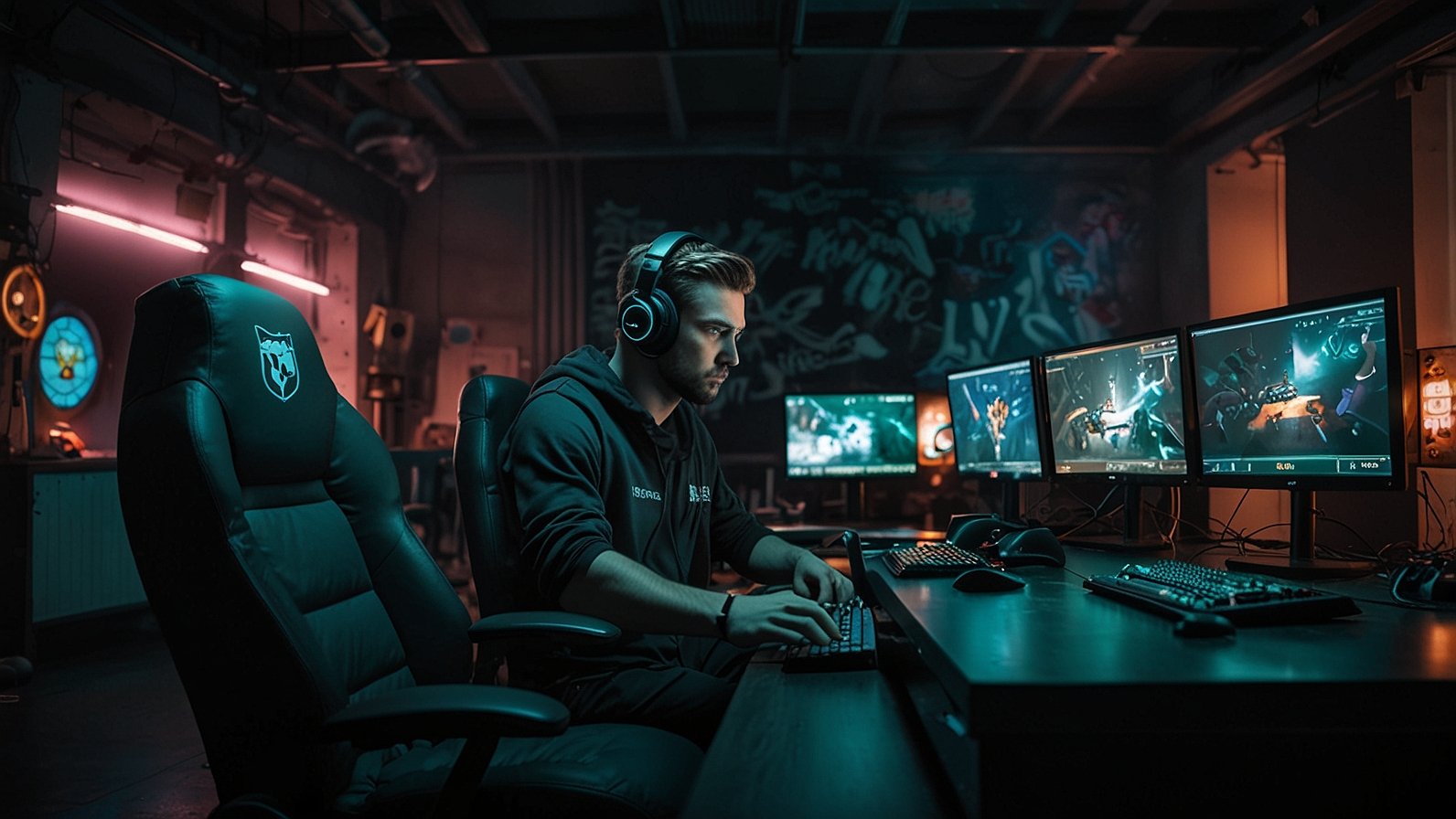
Ever stumbled across a username so perfectly absurd it sticks with you for days? In the vast, often anonymous landscape of the internet, our chosen handles become digital flags we plant in the ground of virtual worlds. They can be sleek, intimidating, or downright silly. But what about when a name like Pootenlord starts popping up everywhere—in game lobbies, social media bios, and meme forums? Is it a brand, a mysterious influencer, or something more organic? The truth is far more interesting than a corporate creation. The strongest evidence points to Pootenlord not as a formal entity, but as a grassroots symbol of camaraderie and inside-joke humor within digital tribes. Let’s unravel how these organic identities take root and why they matter.
What Exactly is Pootenlord?
Let’s clear the air first. If you’re searching for an official website, a product line, or a singular celebrity behind the name, you might come up empty. That’s the point. Pootenlord exemplifies a modern internet phenomenon: a handle or meme that emerges from the bottom up. Think of it like a local inside joke that somehow goes global. It’s a piece of digital folklore adopted by gamers and online communities as a badge of playful identity.
Its origins are murky, as the best memes often are—likely born in the chat of a Twitch stream or during a late-night gaming session. The name itself, with its playful and vaguely regal absurdity, is the perfect recipe for virality. It doesn’t take itself seriously, which gives everyone permission to join in the fun.
Why Grassroots Handles Like This Resonate
In an online world saturated with sponsored content and polished personal brands, something raw and community-driven stands out. A handle like Pootenlord thrives for a few key reasons.
It Breaks the Ice Instantly. In a multiplayer game, seeing “Pootenlord” on your team (or against you!) is an immediate conversation starter. It’s disarming and funny. It signals that the person behind the screen is here to enjoy the game and share a laugh, not just dominate with grim intensity.
It Creates Instant Community. Adopting or recognizing such a handle is like a secret handshake. It says, “I get the joke. I’m part of this.” This builds a sense of belonging far more genuine than forced community forums. You’ll find people using variations of it—PootenSquire, PootenLady, ThePootenRealm—creating a whole unofficial family tree.
It’s Ownership Without Trademarks. This identity isn’t owned by anyone, so it’s free for anyone to use and reinterpret. It’s a shared creative canvas. This stands in stark contrast to formal gamertags or branded personas, which are locked down and controlled.
Pootenlord in Action: More Than Just a Name
So how does this abstract concept actually play out in the digital wild? Let’s look at some real-world parallels. Think of how the legendary yet fictional player “Leeroy Jenkins” became a cultural touchstone in World of Warcraft. It was a spontaneous, player-created moment that evolved into a universal meme for reckless abandon. Pootenlord operates in a similar space—it’s a vessel for shared experiences.
You might encounter it as:
- A deliberately unskilled yet hilarious character in a Minecraft server, whose “reign” is celebrated for its chaotic builds.
- A tongue-in-cheek clan name in Destiny 2 or Call of Duty, where the contrast between the silly name and serious gameplay becomes the joke.
- A social media account parodying “influencer” culture, posting overly dramatic critiques of mundane topics.
- An inside reference in a Discord server, where “Pootenlord’s Wisdom” is invoked to justify a silly decision.
The power isn’t in the name itself, but in the context and community that gives it meaning. It’s a social tool, not a commercial one.
Debunking the Myths: What Pootenlord Is Not
With any rising online term, misconceptions follow. Let’s set the record straight.
Myth 1: It’s a new game or esports team. Nope. You won’t find Pootenlord on the roster of a major tournament or on Steam as a new release. Its home is the player base, not the boardroom.
Myth 2: There’s one person behind it all. While someone, somewhere, probably typed it first, its significance comes from collective adoption. It’s a decentralized persona.
Myth 3: Using it is “cringe” or unoriginal. In reality, adopting such a meme is a nuanced form of participation. It shows you’re engaged with the community’s evolving humor and language. It’s a nod, not a copy.
Formal Gamer Tags vs. Grassroots Meme Handles
| Feature | Formal Gamer Tag / Brand | Grassroots Handle (e.g., Pootenlord) |
|---|---|---|
| Origin | Top-down, created by an individual or company. | Bottom-up, emerged from community interaction. |
| Purpose | Personal branding, recognition, professionalism. | Shared humor, identity, inside-joke signaling. |
| Ownership | Tightly controlled, often trademarked. | Public domain, open for interpretation. |
| Flexibility | Static, changed rarely. | Fluid, often spawns variations and remixes. |
| Vibe | Polished, competitive, serious. | Playful, communal, absurdist. |
How to Navigate (and Maybe Join) the Phenomenon
Seeing the cultural footprint of something like Pootenlord might make you wonder how to engage with this world—or even start the next ripple of digital culture.
1. Be a Observer First. Lurk in communities. Listen to the humor and the references that keep popping up. The key is authenticity; forced memes die fast.
2. Embrace Playfulness. Don’t be afraid to be silly online. The pressure to have a “cool” handle is fading. The names and personas that resonate often have a layer of wit or self-deprecation.
3. Contribute to the Lore. If you’re part of a community with a shared joke, add to it in a positive way. Maybe create a funny fan image or a video clip that celebrates the meme. Value the collective creation over personal credit.
4. Don’t Force It. The magic of a grassroots handle is its organic spread. You can’t engineer it. You can only create spaces where such spontaneous fun is allowed to happen.
The Bigger Picture: Your Digital Identity
The story of Pootenlord is really a story about all of us online. Our digital identities are becoming more fluid, more collaborative, and less about a single, static profile. They are mosaics built from the communities we inhabit and the jokes we share. In a way, we are all the lords and ladies of our own little pootens—curating a presence that is uniquely ours, yet built entirely through connection.
5 Tips to Embrace Your Own Digital Folklore Today:
- Audit Your Handles: Do they truly reflect your online personality, or are they relics of a past you?
- Participate, Don’t Just Broadcast: Jump into community jokes and conversations. Be part of the story.
- Credit the Community: If you borrow a meme or inside joke, acknowledge where it came from.
- Prioritize Fun Over Followers: Sometimes, the goal should just be a shared laugh with ten people, not virality with ten thousand.
- Stay Curious: When you see a new name or meme popping up, ask about its story. You might find a whole new community.
The digital landscape is richer for these weird, wonderful, and utterly human expressions. So what’s your experience? Have you ever rallied behind a seemingly nonsensical community inside joke? The comment section is, after all, the modern campfire.
You May Also Like: The Ultimate Guide to Tommy Jacobs Gaming Eyexcon: The Future of Play
FAQs
Is Pootenlord a real person I can follow?
Not in a singular sense. You might find many individuals using the handle or variations of it across platforms, but there is no “original” verified figure behind it. It’s a community-driven persona.
Could the name Pootenlord be trademarked?
Technically, anyone could attempt to file a trademark, but doing so for a grassroots meme would likely be met with significant backlash from the communities that spawned it. Its value lies in its public, organic nature.
I want to use a similar funny handle. Is that copying?
Not at all! The internet’s creative culture is built on remix and homage. Using the style or spirit of communal humor is encouraged. Just avoid directly impersonating a specific, real individual.
Why do these silly names become so popular in gaming?
Gaming is social and often stressful. A silly name acts as a pressure valve, injecting humor and reminding everyone that the primary goal is entertainment and connection. It cuts through tension.
Are there risks in adopting a meme-based online identity?
The main risk is that very localized memes might not be understood outside their home community, leading to confusion. Otherwise, it’s generally low-stakes digital fun.
How is this different from being a “Stan” or fan?
Being a fan is centered on a pre-existing celebrity or product. Engaging with a grassroots handle like Pootenlord is about co-creating meaning with peers. You’re not a fan of Pootenlord; you’re a participant in the Pootenlord idea.
Could this concept apply to business or branding?
Absolutely. The lesson for brands is to foster authentic, community-driven engagement rather than trying to force a top-down “personality.” The most beloved brands often feel like they were discovered, not manufactured.